

How to Empower Engineers to Think Differently and Drive Real Ownership
The Problem
Most engineers don’t lack creativity. They lack the environment to use it. Over time, teams condition engineers to follow tickets, avoid risk, and stay within their lane. This slowly reduces both morale and initiative. When engineers feel like executors, they disengage. When they feel ownership, they step up. The difference is not talent, it is how the team is led and what behaviors the system encourages.
Unlocking Thinking Through Questions
Empowerment starts with how you engage engineers day to day. Instead of giving solutions, ask questions that trigger thinking. Not just technical questions, but simple ones that open the mind.
Questions like:
- How is your day going
- What’s in your mind
- What’s slowing you down
- What’s frustrating you that we’ve just accepted
These create space. They shift engineers out of execution mode and into reflection. Even simple questions can unlock ideas because they signal that thinking is expected, not just delivery.
Once that door is open, go deeper:
- What would you change if you owned this system
- Is there a better way to solve this
- What are we missing
Most engineers already see the problems. The right questions surface them and trigger ownership.
Turning Friction Into Opportunity
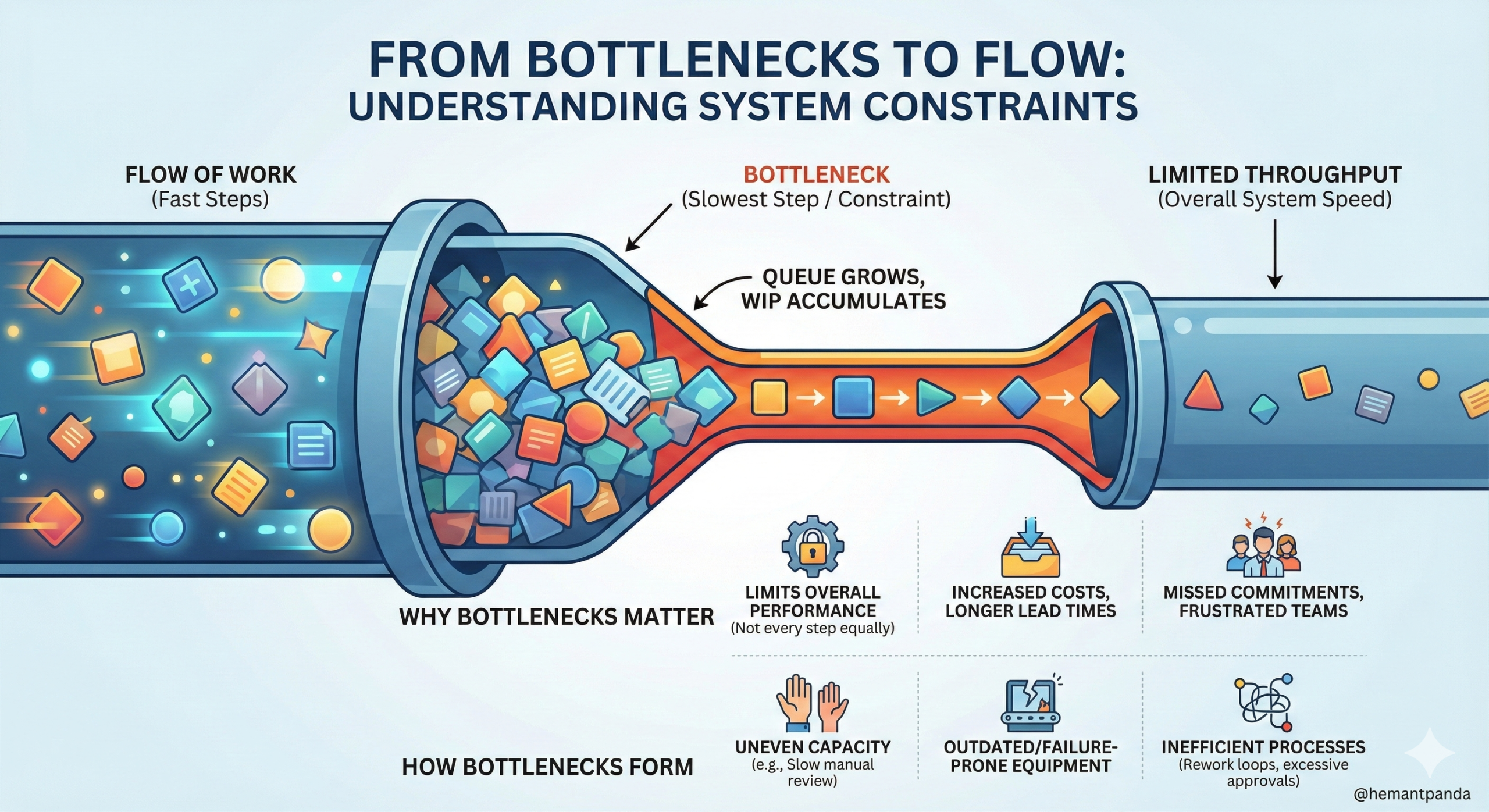
Once those signals appear, they need to be turned into opportunity. Every frustration is a potential improvement. Repetitive work, slow processes, and clunky logic are usually accepted as part of the job. They should not be.
When an engineer points out friction, don’t solve it for them. Push them to design a better approach, guide them with direction if needed, but let them build it. This is where confidence and capability start to grow.
Make it actionable:
- Capture it as real work. Add a ticket in Jira, don’t leave it as a side note
- Ask them to own the solution, not just describe the problem
- Help them prioritize it so it doesn’t get lost behind feature work
- Provide support, remove blockers, and make it clear you’re available
- Back their decisions publicly so they feel safe taking ownership
This shows that improvement is expected and supported. Engineers begin to connect problems with action and ownership.
Driving Morale Through Impact
Morale improves when engineers see real impact from their thinking. Not from closing tickets, but from improving how things actually work. Give them space to step outside routine work and fix something meaningful.
Working outside of daily routines unlocks a different level of thinking. It leads to innovations and automations that teams would not discover through normal execution. Engineers begin identifying opportunities that were previously ignored.
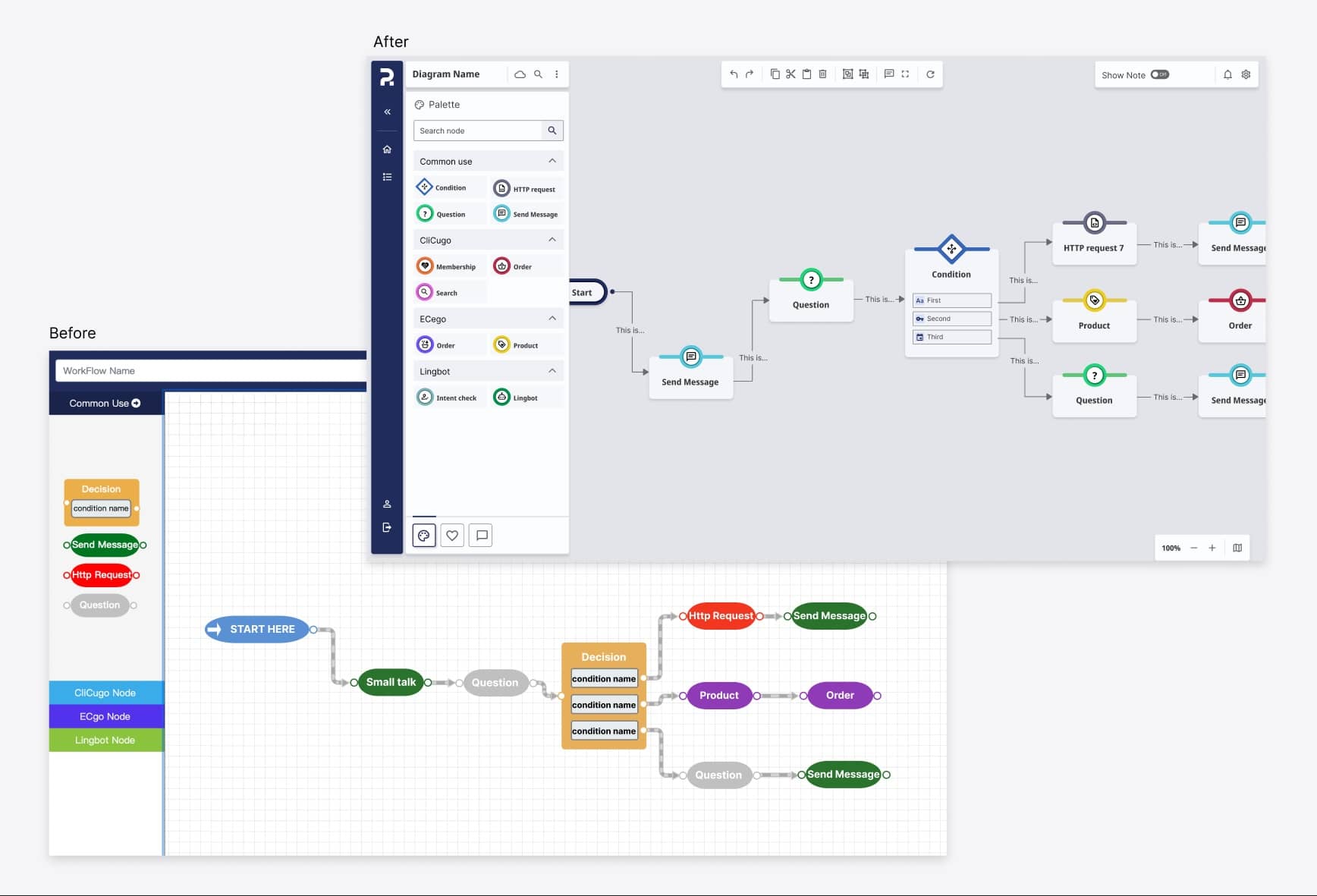
This also expands impact beyond the team. Engineers improve documentation, introduce better diagramming and visualization, and bring clarity to systems that were previously hard to understand. Cross-team collaboration improves, dependencies become easier to manage, and engagement grows beyond individual domains.
When engineers see that their ideas lead to visible improvements across systems and teams, motivation increases. They are no longer just delivering work, they are shaping how work gets done.
Aligning Tools, Expectations, and Incentives
This only works when tools, expectations, and incentives are aligned. Engineers will not adopt better ways of working if it is harder than the current path.
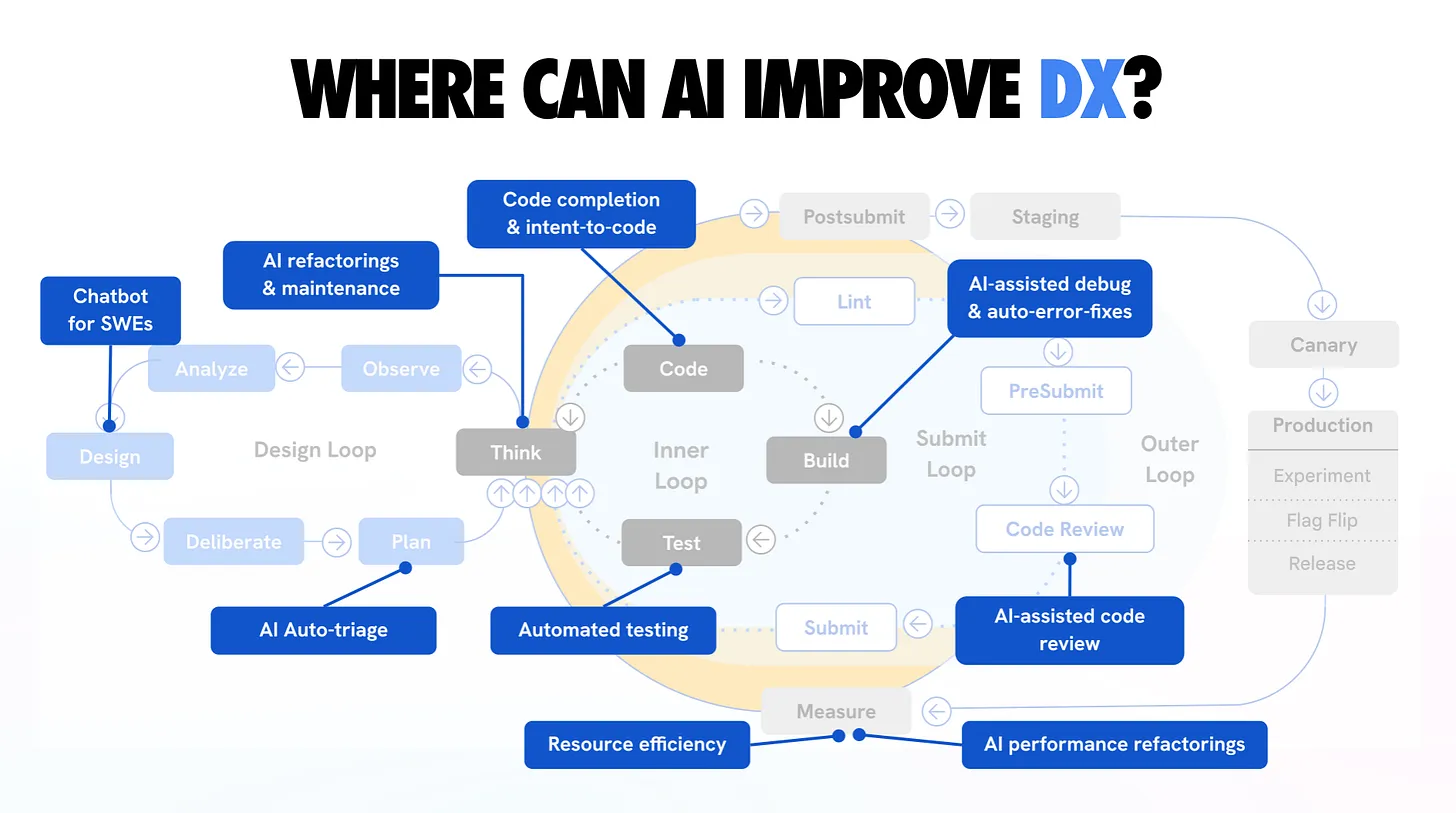
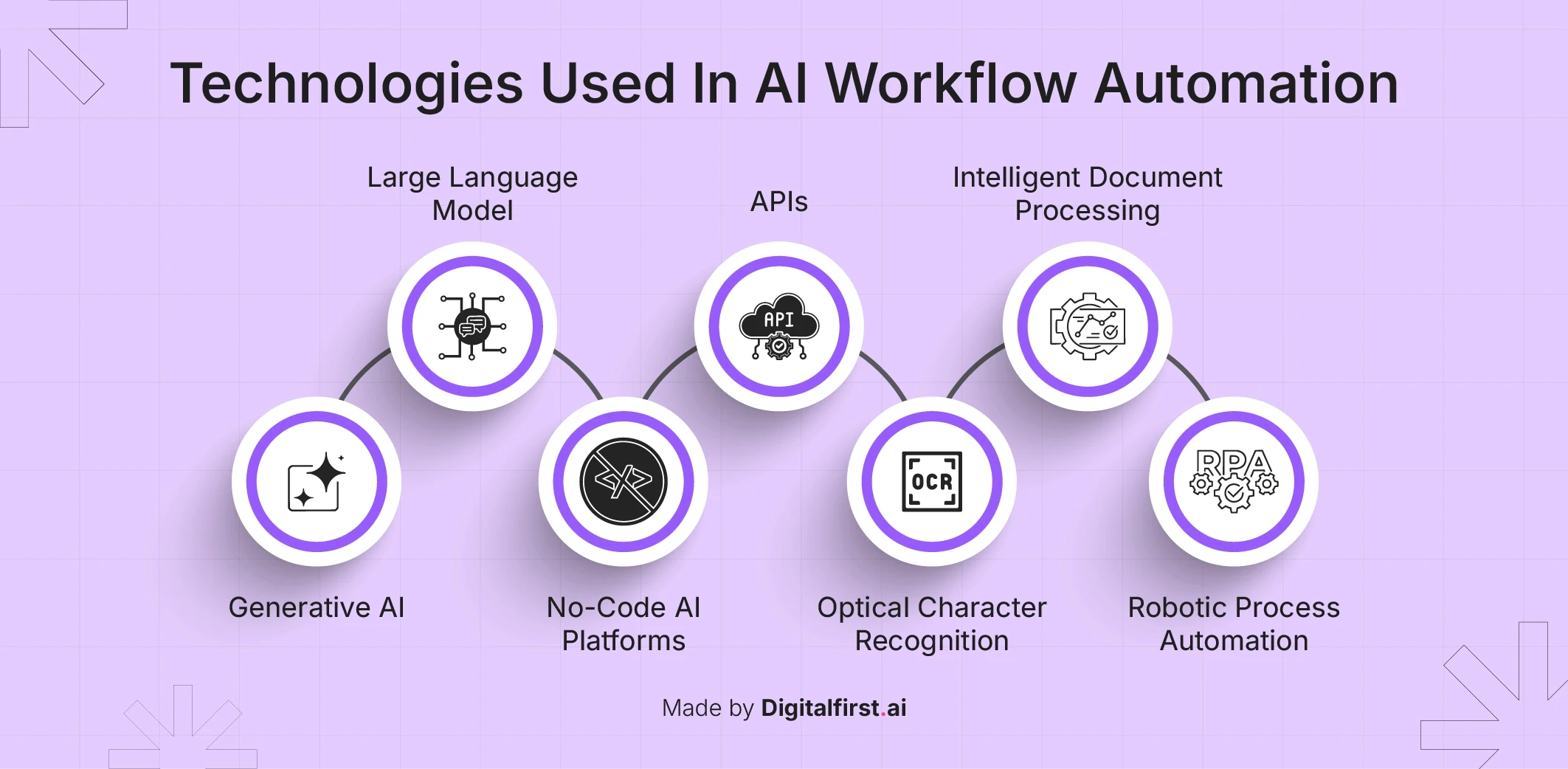
Provide the right tools and make them accessible. This includes automation tooling, internal scripts, and AI. Engineers naturally want to explore better solutions. Guide them and make it clear these tools are part of the workflow.
AI should be positioned as a companion, not a replacement. It helps generate ideas, explore alternative solutions, automate repetitive logic, and move faster from problem to implementation. It allows engineers to focus on thinking and decisions instead of repetitive execution.
Make it actionable:
- Encourage engineers to explore solutions using AI before implementing
- Ask for alternative approaches, not just first solutions
- Suggest tools or patterns when they are stuck, but don’t solve it for them
- Create opportunities where automation or AI removes manual work
- Expect engineers to propose improvements using available tools
Set the expectation that improving systems is part of the job. Reinforce it by making impact visible and backing their decisions.

Outcome and Conclusion
When engineers feel trusted, supported, and see their ideas turn into real outcomes, morale shifts. They move from executing work to owning systems. They think more, care more, and push further. Systems improve continuously instead of degrading, and teams become proactive in identifying and solving problems.
If you want engineers to think out of the box, you don’t push them to be more creative. You remove the constraints that prevent them from thinking in the first place. Give them ownership through problems, guide them with the right questions, support them with the right tools, and make their impact visible.
When those elements are in place, engineers naturally step up and teams evolve into systems that continuously improve.
