

The Hardest Part of Being an EM in the Age of AI: Changing Culture Without Breaking Trust
Entering a Team That Needs to Evolve
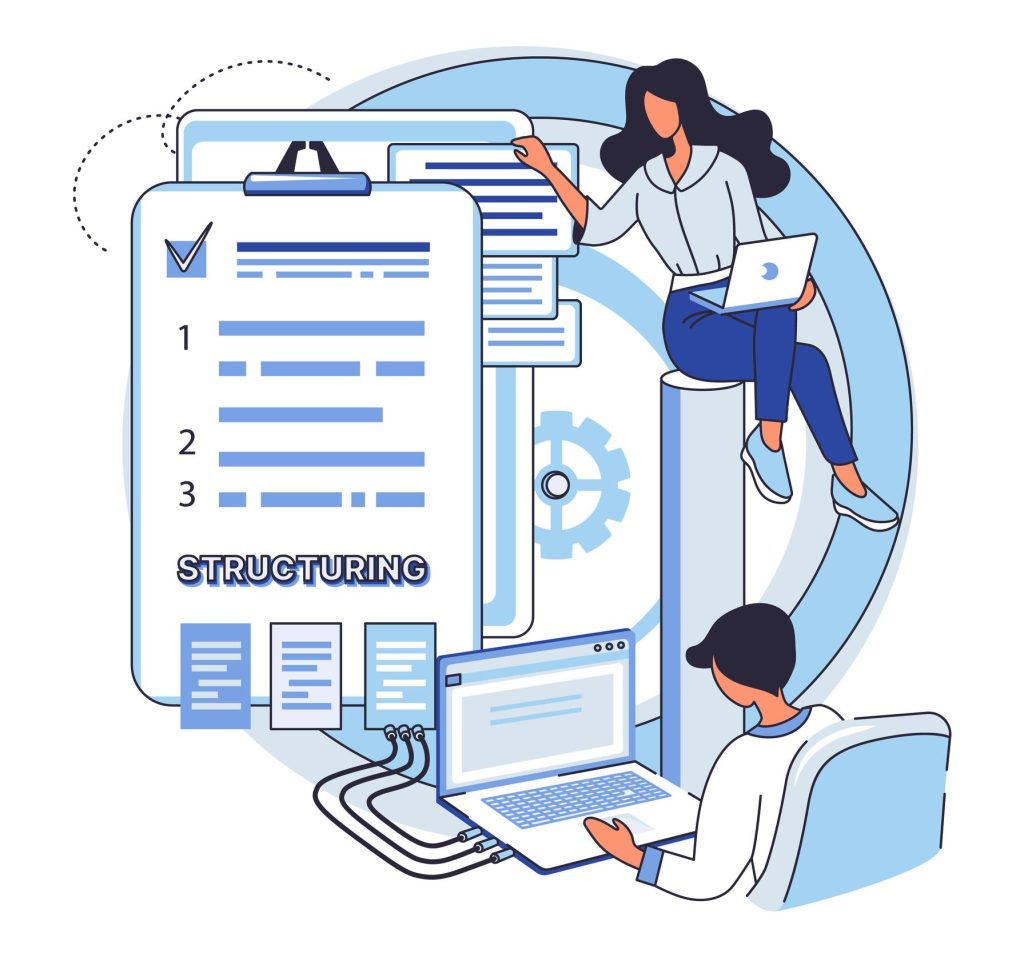
Stepping into a new team is already hard. Stepping into a team that needs to change how it thinks and works at the same time is a different kind of challenge. Moving from a structured enterprise setup to a fast moving startup is not just a process change. It is a mindset change. And you are expected to deliver while making that happen.
For a new EM, this is tough. You need to ramp up fast. Learn the tech, understand the system, figure out the people, and build relationships across teams. At the same time you are trying to see what is working and what is not, without breaking anything that already exists.
You also have to be careful with trust. You cannot come in and start changing everything on day one. But you also cannot sit back and let things stay the same. That balance is not easy.
The challenge also depends on where the company is. Enterprise teams are stable. Startups move fast and change direction often. You have to adjust to that quickly.
This is what makes the role hard. You sit between business and engineering. You are expected to understand both and make them work together.
Balancing Trust While Driving Change
The biggest challenge is trust. You are asking people to change how they work, and they do not fully know you yet.
You should never go against the team. But you also need to be clear that things have to change. Expectations are different now. The team needs to adapt.
When you push, explain why. Tie it to business goals and outcomes. Do not point fingers. Do not create pressure without context. But also do not step back and let the team decide everything. You are the manager. You need to lead.
Make it clear that you depend on them and they depend on you. This is not short term. It is a long run.
One on ones matter a lot here. Be honest. Be open. Let them speak. Accept feedback. Sometimes they will disagree or push back. That is a good sign. That is how trust builds.
Enterprise Thinking vs Startup Reality
Enterprise teams are built for stability. Clear roles. Clear process. Predictable delivery.
Startups are different. Things change all the time. Requirements are not always clear. You move fast and figure things out as you go.
This means engineers need to stop waiting for full clarity and start making decisions with what they have. That shift is not easy.
Adaptation is key. If you adapt fast you move ahead. If you keep looking back at how things used to be done, you fall behind.
As a manager, you need to see where each person is. Some will adjust quickly. Some will struggle. You need to help them get there.
Ownership is expected in this kind of environment. People need to step up, try things, fail, learn, and move on.
Resetting Expectations Without Breaking Momentum
You need to reset expectations early, but you cannot slow the team down.
Define what ownership means. What done means. How decisions are made now.
At the same time, create space for thinking. Ask simple questions. What is in your mind. What is slowing you down. What do you think we should change.
Momentum should not stop. It should grow.
You do that by creating small opportunities. Give people space to improve something. Align it with their goals. Guide them, but let them think.
Turn ideas into goals. Bring them into performance conversations. Do not measure only delivery or story points.
Look at the full picture. Individual work. Cross team work. Communication. Ownership. Proactiveness.
When people see that these things matter, they start acting differently.
Turning Signals Into Ownership
Engineers already know what is broken. They just do not always say it.
When they do, you need to act on it.
Do not just talk about it. Make it real.
Create a ticket. Give them ownership. Help them prioritize it. Remove blockers. Support them. Back them when they make decisions.
This is how ownership grows. Not by telling people to take ownership, but by showing them that it is safe to do so and that it leads to real change.
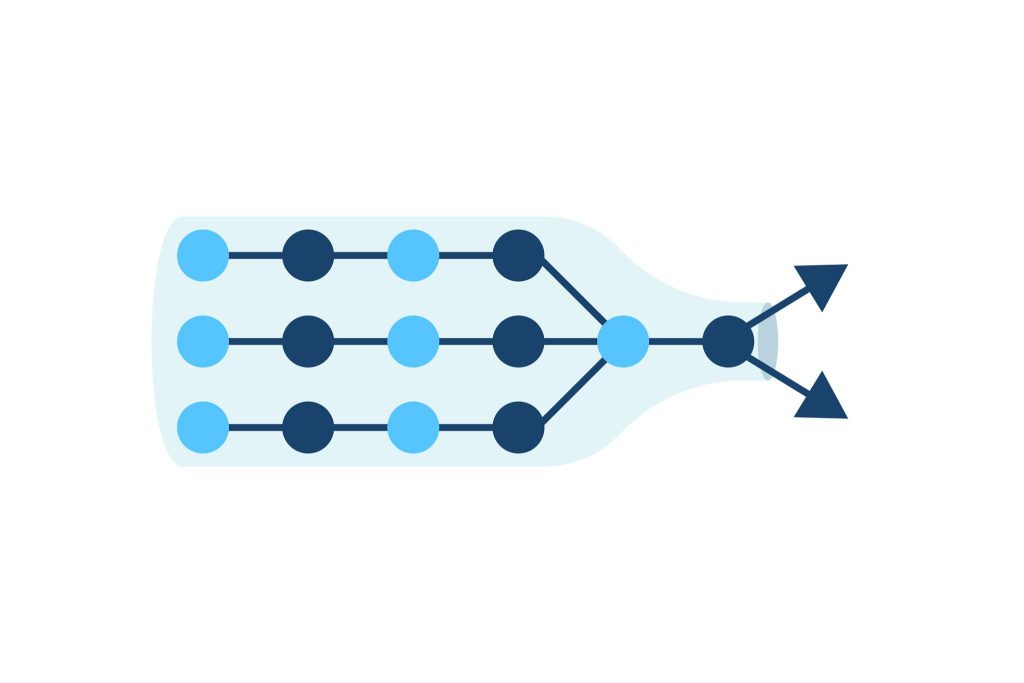
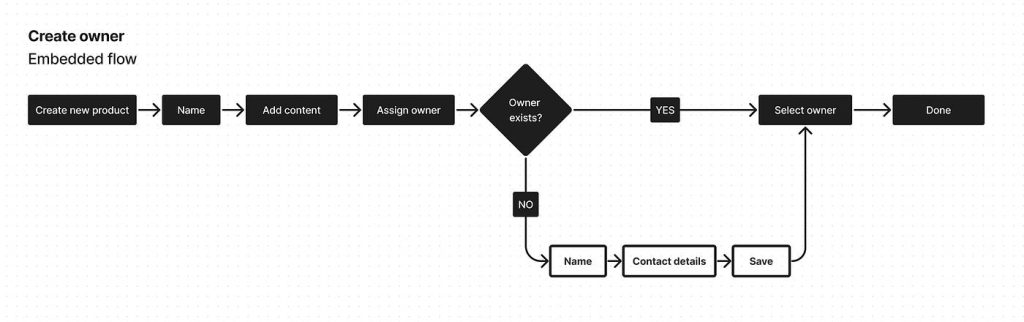
Redefining How Work Gets Done
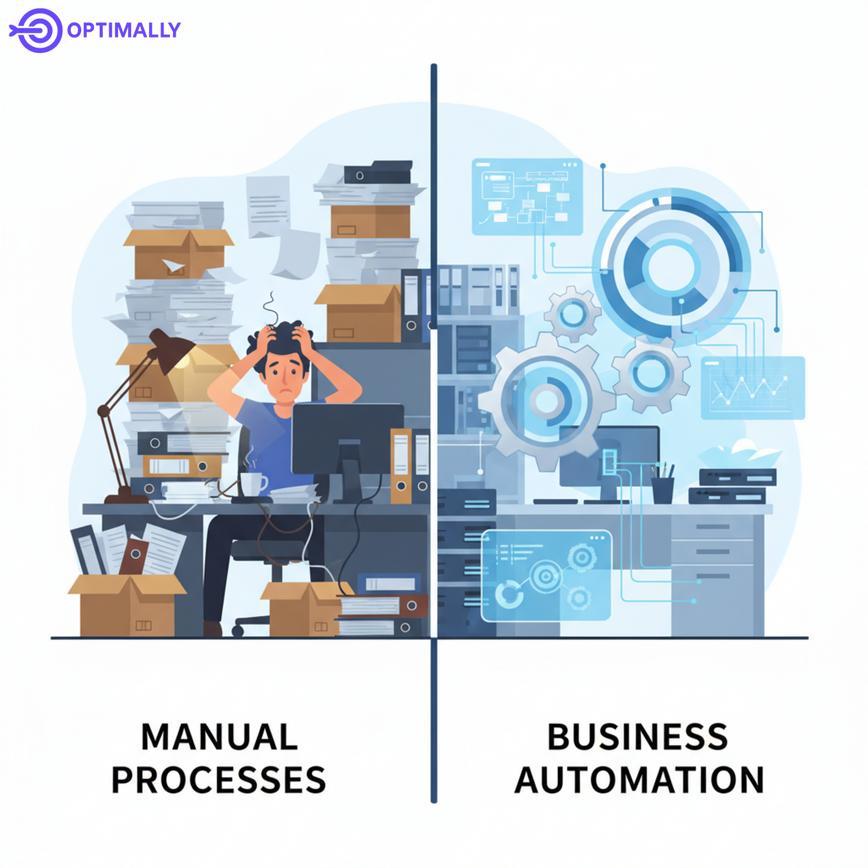
You also need to change how the team works.
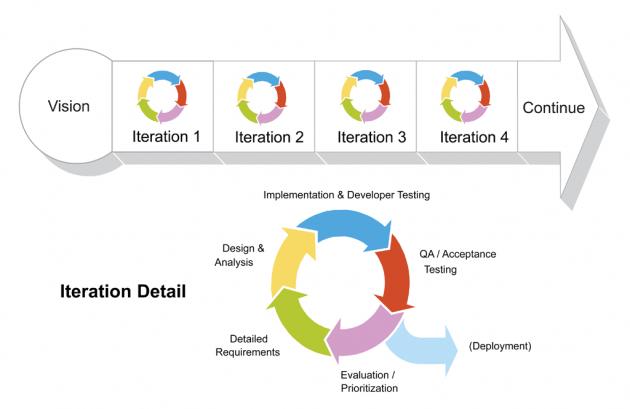
Less heavy process. More flexibility. Faster iteration.
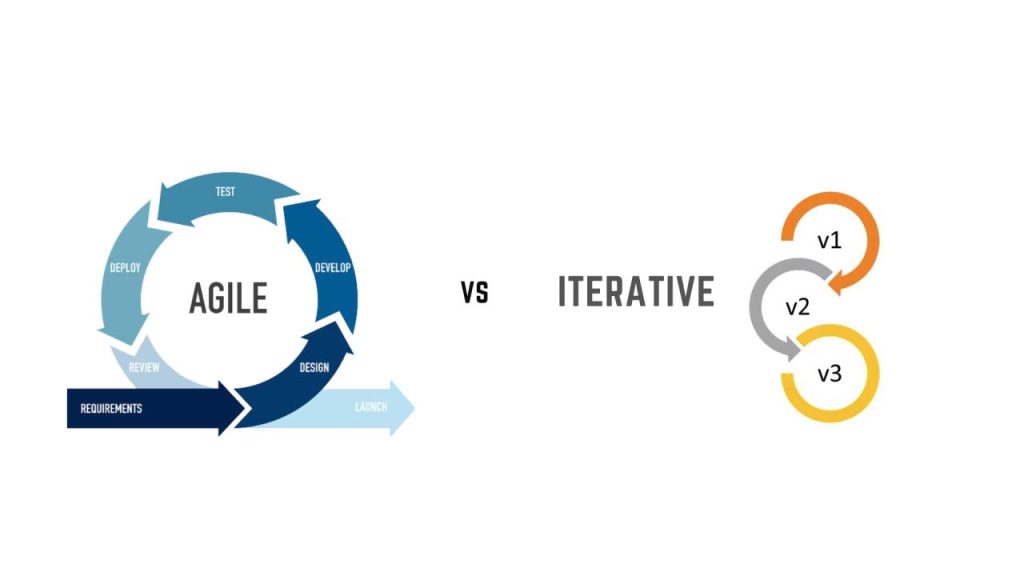
A lot of teams say they are agile. Few actually are.
Moving to real agile means being okay with not having all the answers upfront. It means adjusting as you go.
That creates discomfort. People are used to structure.
Your job is to give enough direction so they can move forward, but not so much that you block them from thinking.
AI Is Raising the Expectation, Not Replacing It
AI is now part of the job. Not something extra.
The expectation is different now. It is not just about writing code.
You need engineers who can take a vague idea, turn it into something structured, use AI or tools to explore solutions, review the output, catch issues, and ship something that works in real conditions.
AI should be seen as a tool, not competition. If you ignore it, you fall behind.
It helps you move faster. It helps you explore more. It removes a lot of repetitive work.
But you still need to think. Always review what it produces. Treat it like work from a junior engineer. Never let the machine lead you.
Used right, it makes good engineers better.
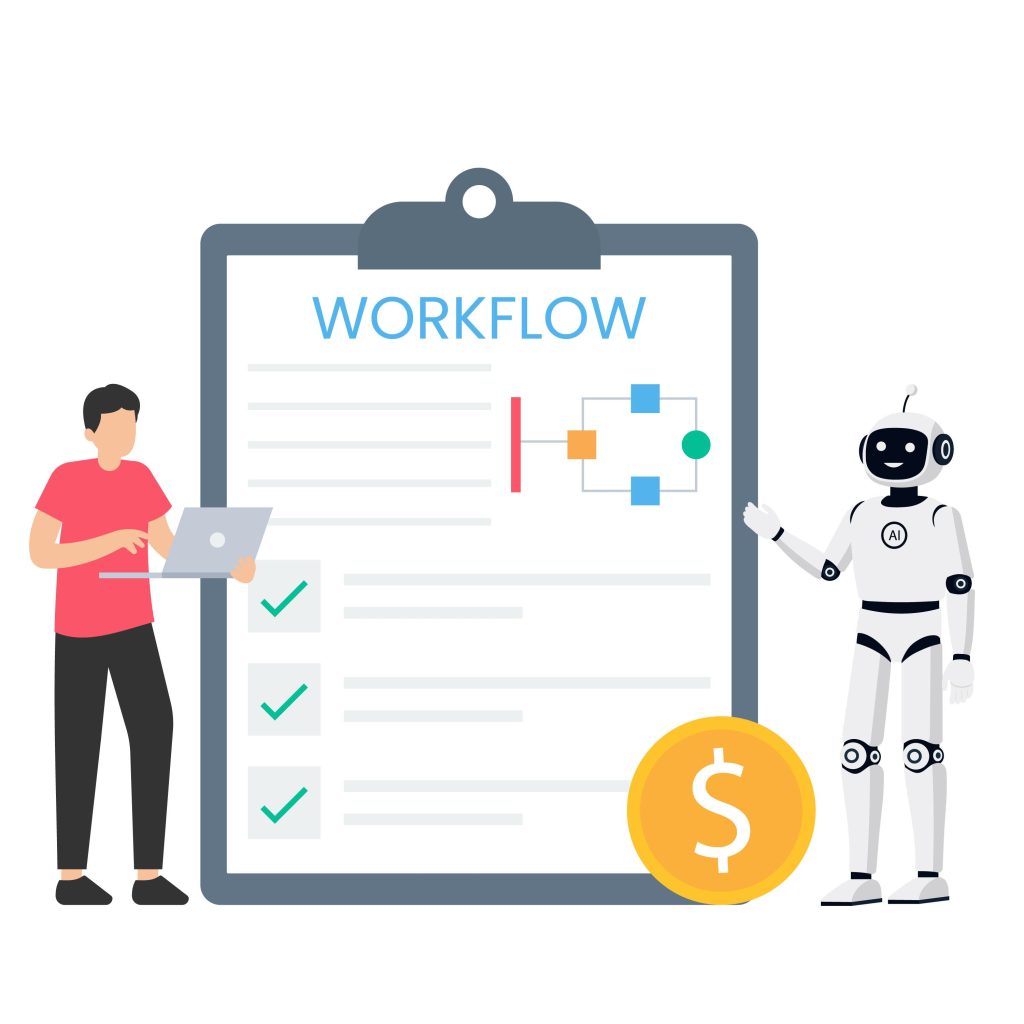

Leading Through Complexity
This job is not simple.
You are dealing with people, delivery, expectations, and change at the same time.
There is no single way to do it. Every team is different. Every company is at a different stage.
You need to connect everything. People, tools, process, expectations.
If something does not work, adjust. Try a different approach. Find what works for your team.
There is always a middle ground between too much structure and no structure. Your job is to find it.
What It Really Means to Be an EM Today
Being an EM today is very different from before.
You need to understand tech, AI, people, and business. You need to communicate well. You need empathy. You need to lead.
You are connecting many things at once. If one is off, everything feels it.
You are also the first layer that gets pressure when things are not working.
This role is not just about managing work. It is about making everything work together.
It is hard. But when it clicks, you see the difference. The team moves faster. People step up. Systems improve.
That is what makes it worth it.
